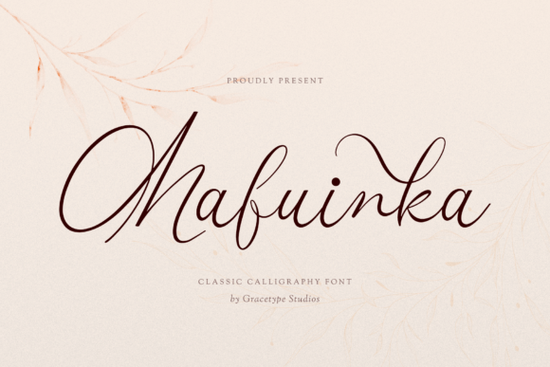
If you're looking for a script font that feels personal, refined, and quietly confident like something handwritten by a skilled calligrapher with years of practice Mafuinka Font fits that need well. It’s not flashy or overly decorative; instead, it offers subtle elegance through fine strokes, graceful loops, and natural rhythm. Designers working on wedding invites, small-batch beauty labels, or boutique fashion tags often tell us they reach for Mafuinka when they want authenticity without sacrificing polish.
What makes Mafuinka different from other script fonts?
Mafuinka stands out because of how it balances control and looseness. The letters flow across the baseline like ink pulled gently from a fine nib not rigid, not chaotic, but intentionally organic. Its high-contrast strokes (thin hairlines next to slightly fuller curves) give it dimension, while the ascenders sweep upward with quiet confidence. Ligatures like the connected “fi”, “fl”, or “th” are drawn with care, not automated, so they feel human rather than algorithmic.
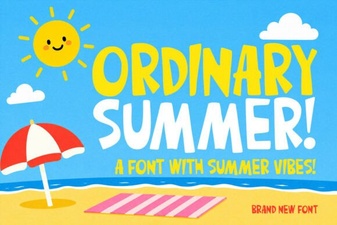
Compare that to Baseball Handwriting, which leans into casual energy and sporty charm, or Longmile, which has a relaxed, brush-pen softness perfect for lifestyle brands. Mafuinka sits at the more refined end of the spectrum closer in spirit to Darling Charm (though less floral) or Ordinary Summer (but with tighter spacing and more consistent contrast).
Where does Mafuinka work best?
It shines where tone matters as much as legibility:
- Wedding stationery Save-the-dates, menus, and monogrammed napkins benefit from its intimate, hand-signed quality.
- Beauty & fragrance branding Think minimalist perfume bottles or skincare labels where less text means each letter carries weight.
- Boutique apparel tags Hang tags, woven labels, or packaging stamps gain quiet luxury without shouting.
- Digital signatures Used thoughtfully in email footers or PDF certificates, it adds warmth without looking generic.
It’s not ideal for long paragraphs or small sizes (below 14pt), and it doesn’t include extensive language support so if you’re designing for multilingual audiences, double-check glyph coverage before committing.
How to use Mafuinka well (without overdoing it)
Because Mafuinka is expressive, restraint helps it land. Try these practical tips:
- Pair it with a clean sans-serif like Montserrat, Inter, or even system fonts for body text or captions. That contrast keeps focus on the script without visual fatigue.
- Use OpenType features sparingly especially stylistic alternates or swashes. One or two per layout is often enough. Too many can distract from the message.
- Test print output early fine lines may thin or break on some printers or low-res screens. A quick test print at actual size saves time later.
- Avoid all-caps usage it’s designed for lowercase flow. Uppercase letters exist, but they’re meant as initials or short accents, not full headlines.
If you're exploring alternatives, Mafuinka Font is worth comparing side-by-side with Baseball Handwriting Font or Darling Charm Font to see which matches your project’s voice. You’ll notice differences in x-height, spacing density, and how the letters connect not just in style, but in how they breathe on the page.
Who’s already using fonts like this?
We’ve seen small businesses use Mafuinka-style typefaces for handmade soap labels where ingredients are listed cleanly beside a signature-style brand name. Wedding designers apply it to vellum overlays on invitation suites. Print-on-demand sellers pair it with neutral textures (linen, kraft paper, soft-touch laminates) to reinforce tactile luxury. Even hobbyists creating digital planners or printable wall art find it works well for titles or section headers when used at larger sizes and with generous line height.
One thing users consistently mention: Mafuinka doesn’t try to be everything. It’s specific. And that specificity its narrow but strong niche is what makes it reliable for certain kinds of projects.
Before you download or license Mafuinka: Open your design file, paste in a short phrase (like “Est. 2024” or “Hand-poured”), set it at 24pt, and step back. Does it feel like your brand or like something you’d see on a competitor’s shelf? If yes, it’s likely a good fit. If it feels too formal or too delicate for your audience, consider testing one of the related options above instead.
Get Started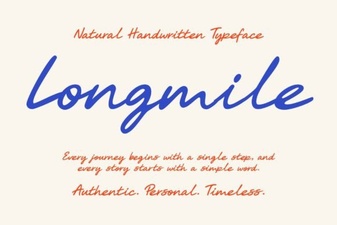 Longmile Font: Modern Geometric Typography for Designers
 Easy Summer Fonts for Your Diy Projects
 Crafting with Curlicue Fonts: Elegant Design Ideas
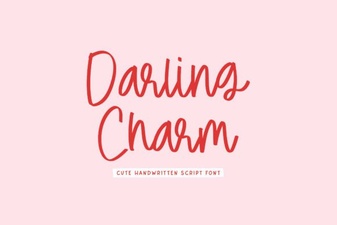 The Darling Charm Font for Lovely Designs
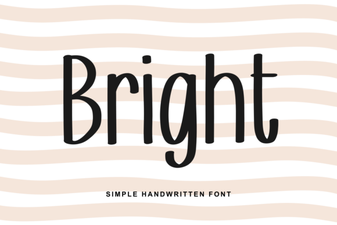 Bright Font Design for Impactful Digital Experiences
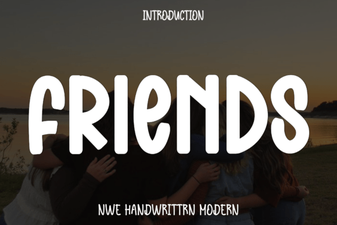 Friends Font: Designs & Free Download Guide